Document and File Storage: A Complete Guide for Homes and Businesses
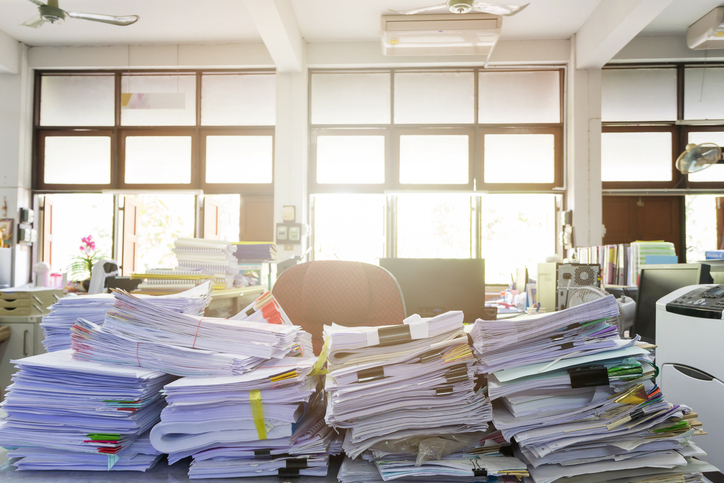
Tax returns, property deeds, client files, contracts. Paperwork piles up fast, and most of it cannot simply be tossed. The right document storage solutions keep your records organized and easy to find, whether you manage household paperwork or years of business files.
This guide covers how to store files at home and at work, which records to keep and for how long, and the best options for long-term document storage.
Document Storage Solutions at a Glance
Most households and businesses use a mix of file storage solutions: a cabinet for active records, boxes for archives, and digital copies as a backup. Here is how the main options compare.
| Storage solution | Best for | Things to consider |
|---|---|---|
| Filing cabinet | Active records you use weekly or monthly | Limited capacity. Choose a locking metal cabinet. |
| Document boxes and file totes | Archived records you rarely need | Use acid-free boxes, and label and index each one. |
| Digital and cloud storage | Backups and records you search often | Back up in more than one place. Keep originals of key documents. |
| Climate-controlled storage unit | Long-term document storage and business archives | Frees up home and office space, with steady temperatures year-round. |
Which Documents To Keep and for How Long
Your retention timeline decides what stays in the filing cabinet, what goes to long-term storage, and what goes to the shredder. Rules vary by situation and industry, so confirm timelines with your accountant or attorney.
Household Records
- Keep permanently: Birth and death certificates, Social Security cards, passports, marriage and divorce records, wills, estate documents, property deeds, and vehicle titles.
- Keep for several years: Tax returns and supporting documents. The IRS generally recommends keeping records for three years after filing, with longer periods in certain situations.
- Keep while active: Insurance policies, loan and mortgage documents, warranties, and leases, plus some buffer time after they close.
- Short-term: Utility bills, pay stubs, and bank statements can usually be shredded once reconciled or replaced by an annual summary.
Business Records
- Formation documents: Articles of incorporation, operating agreements, bylaws, licenses, and meeting minutes stay for the life of the business.
- Tax and financial records: Invoices, receipts, statements, and ledgers that support a tax filing follow the IRS timelines for that return.
- Employment records: The IRS asks employers to keep employment tax records for at least four years.
- Contracts and property records: Keep these while they are in effect, then for several years after they expire.
How To Store Files at Home
Good home file storage starts with sorting. Group papers into broad categories like financial, legal, medical, property, and personal, then sort by year within each group. Label every folder and box with the category, year range, and a “review by” date, and keep a simple spreadsheet index of what is in each box.
Location matters too. Attics, garages, and sheds see the biggest temperature swings in most homes, which makes them a poor choice for important papers. A closet on the main floor or a dedicated cabinet in a home office works better for records you need often.
Digitize What You Can
Scanning cuts down on paper and gives you a backup if an original is lost or damaged.
- Scan to PDF with a document scanner or a scanning app on your phone.
- Name files consistently, such as “2025_Taxes_Federal_Return,” so you can find them without opening each one.
- Back up in more than one place, like an external drive and a cloud service.
- Protect digital files with strong passwords and encryption.
Scanning does not replace every original. Keep paper copies of deeds, titles, birth certificates, notarized documents, and anything with an original signature.
Long-Term Document Storage: How To Store Paper Files
Filing Cabinets
A metal filing cabinet with a lock is a reliable home base for active records. Arrange files alphabetically, by date, or by category, and clear out outdated paperwork once a year.
Boxes and Containers
For long-term document storage, use acid-free document boxes, plastic file totes with tight lids, binders with sheet protectors, or accordion folders for smaller sets. Remove paper clips, rubber bands, and sticky notes, which can stain or tear pages over time. Do not overfill boxes, and store them on shelving or pallets rather than directly on the floor.
Keep Temperatures Steady
Paper and ink break down faster in heat. High temperatures and big seasonal swings lead to yellowed pages, brittle edges, and faded ink. A climate-controlled storage unit keeps temperatures steady year-round, which helps paper, photos, and printed records hold up for years. Wherever you store documents, keep them out of direct sunlight.
Document Storage Solutions for Businesses
Law offices, medical practices, contractors, accountants, and home-based businesses often run out of room for archived files long before those files can be destroyed. Moving older records into a storage unit frees up office space while keeping files close by.
- Choose the right size. A 5×5 unit handles a small archive. A 5×10 or 5×15 unit suits larger volumes of file boxes and office equipment. See our storage unit size guide.
- Add shelving so you can pull one box without moving the rest.
- Arrange by retention date, with boxes due for shredding near the front.
- Limit who holds the key and gate code to a short list of team members.
Protect Sensitive Information
- Label boxes with a code that points to your index rather than a description like “bank statements.”
- Store the most sensitive records in a locking file box, even inside a locked unit.
- Shred documents once they pass their retention date instead of throwing them away.
- Password protect your index and any digital copies.
Store Your Files With Absolute Storage Management
From household paperwork to years of business records, Absolute Storage Management offers climate-controlled units in a range of sizes for document storage. Find a storage location near you to compare units and reserve online, or visit our FAQ page for answers to common questions.
Frequently Asked Questions About Document Storage
Sort documents by category and year, pack them in acid-free boxes or lidded file totes, label and index each box, and store them somewhere with steady temperatures and no direct sunlight. A climate-controlled storage unit is a good option for records you need to keep for years.
Most small businesses combine a locking filing cabinet for active files, scanned digital backups, and a storage unit for archived records. Shelving and a box index make archived files easy to find.
For long-term storage, climate-controlled storage is recommended. Steady temperatures help prevent yellowing, brittleness, and fading, especially for records you plan to keep for many years.
Label each box with a category, the year range, and a review or shred date, and log it in a simple index. Avoid writing sensitive details like “tax returns” or account names on the outside of the box.