Using a Storage Unit While Redecorating or Renovating a Room
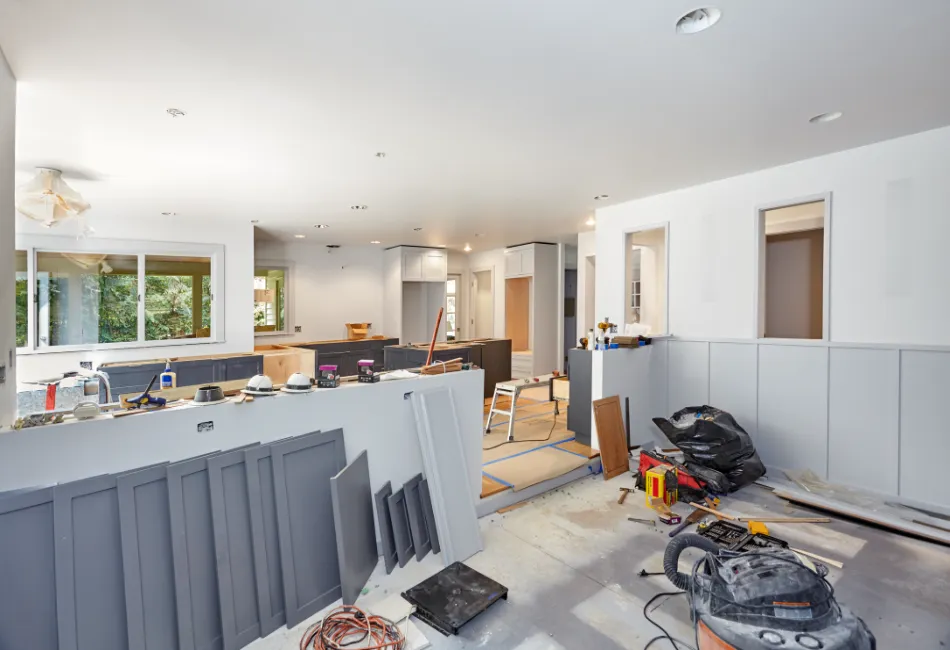
Redecorating a room sounds simple until you are painting around a sofa or stacking dressers in the hallway. Renting a storage unit while redecorating gives you an empty room to work in and keeps the rest of your home livable, whether you are refreshing paint and décor, replacing furniture, or taking on a full renovation.
Here is how to decide if you need one, what size to rent for each room, and how to pack so move-back day goes smoothly.
Should You Get a Storage Unit While Redecorating?
A storage unit while redecorating makes sense if your project will last more than a few days, involves paint or new flooring, or has new furniture arriving before the old pieces are gone. It clears the room for work, protects your belongings from dust and paint, and keeps hallways and spare rooms from filling up.
It is especially helpful if:
- The project will take longer than a week or two.
- You are updating more than one room at a time.
- Your home does not have a spare room, basement, or garage with open space.
- You are living in the home during the work and want common areas clear.
How a Storage Unit Helps When Redecorating
- Paint without working around furniture. An empty room means no drop cloths draped over sofas and no shifting pieces from wall to wall.
- Bridge the gap between old and new furniture. New pieces often arrive before you have sold or donated the old ones. Store the outgoing furniture until it has a new home.
- Test a new look. Store art, rugs, lamps, and décor while you try a new style, then bring back only what fits.
- Rotate seasonal décor. Keep holiday decorations and seasonal accents in the unit so your updated room stays clutter-free.
Why Clear the Room for a Renovation
For bigger projects, clearing the room completely pays off. Contractors work faster in an empty space, and faster work can mean a lower labor bill. Flooring installers need bare floors, painters need open walls, and cabinet crews need room to maneuver. Taking everything out at once also keeps your belongings away from dust, debris, and paint splatter.
Room-by-Room Guide: What Size Unit To Rent
These estimates assume you are storing the furniture and décor from one room. Your needs may vary based on room size and how much furniture you have. Our storage unit size guide explains each size in more detail.
| Room | What to store | Suggested unit size |
|---|---|---|
| Living room | Sofa, chairs, tables, bookshelves, rugs, lamps, wall décor | 5×10 (small room) to 10×10 (sectional or entertainment center) |
| Bedroom | Bed frame, mattress, dressers, nightstands, boxed clothing | 5×10 (most rooms) to 10×10 (king bed and multiple dressers) |
| Kitchen and dining | Table and chairs, small appliances, dishes, cookware, pantry items | 5×10, or 10×10 if storing a refrigerator or range |
| Home office | Desk, chair, filing cabinets, bookshelves, electronics | 5×5 to 5×10 |
| Multiple rooms or a full floor | Furniture from two to three rooms plus boxes | 10×15 to 10×20 |
Plan Your Storage Timeline
- Reserve two to three weeks ahead. Popular sizes can fill up in spring and summer, when home projects peak.
- Add a buffer. Projects often run past their estimated finish date, so plan your rental for a few weeks beyond the timeline and ask your local facility about month-to-month rental options.
- Move items out a few days before work starts. That leaves time to handle anything you forgot.
- Move back after final cleanup. Wait until paint is fully cured and floors are ready for furniture.
How To Pack and Load Your Unit
- Clean furniture before storing it. Vacuum upholstery and wipe down wood surfaces.
- Take large pieces apart. Put hardware in labeled bags and tape them to the matching piece.
- Wrap with furniture pads. Moving blankets protect finishes from scratches during loading.
- Label boxes by room and priority, and put a clearly marked “stay home” box aside for essentials you will need during the project.
- Load in reverse. Items you will return first go near the door.
- Choose climate-controlled storage for sensitive items. Wood furniture, upholstered pieces, electronics, and artwork do best in a climate-controlled unit, where temperatures stay steady.
Moving Back In
A finished room is a natural moment to reset. Bring items back in stages, starting with the large pieces that anchor the room, like the sofa, bed, or dining table, then add rugs, lighting, and décor once you see how the space feels. As you bring items back, decide what fits the new space and what does not. Donate or sell pieces that no longer match, and keep seasonal décor in the unit if you want to hold on to it without crowding your updated room.
Find Storage for Your Redecorating Project
Absolute Storage Management offers drive-up and climate-controlled units in a range of sizes, so you can store one room or an entire floor while your project gets done. Find a storage location near you to compare units and reserve online.
Frequently Asked Questions About Using Self Storage While Redecorating
If your project will take more than a few days, involves painting or flooring or has new furniture arriving before the old pieces leave, a short-term storage unit is usually worth it. It clears the room for work and keeps the rest of your home uncluttered.
A 5×10 unit fits the furniture from most single rooms, like a bedroom or small living room. Larger rooms, sectionals, or kitchens with appliances may need a 10×10 unit.
Plan for the length of the project plus a few weeks of buffer, since projects often run long. Ask your local facility about month-to-month rental options for flexibility.
Boxed flooring, tile, cabinets, and fixtures can typically be stored. Flammable or hazardous materials such as paint thinner, stains, solvents, and fuel are generally not allowed. Check your rental agreement or ask the facility manager before storing any chemicals.